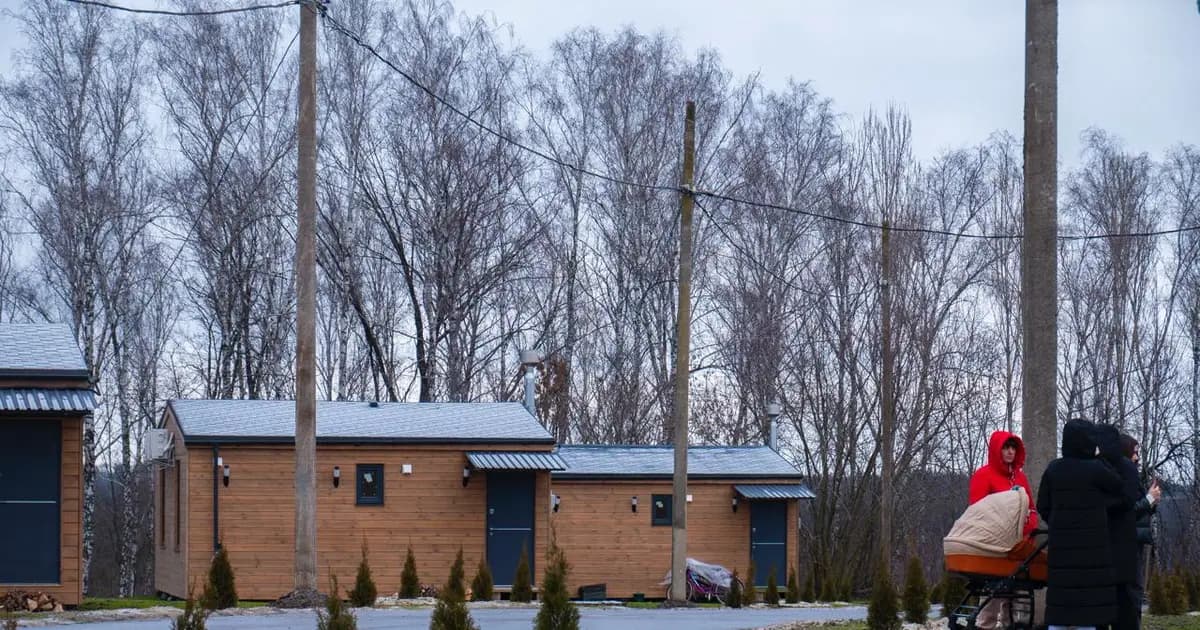
Social support for families in the Q-tochok modular settlements
The problem
In recovery, destroyed housing is only part of the task. When people who have lost their homes move into new modular housing, an equally difficult question arises: how to adapt to a new place, settle into daily life and feel part of a community. Manufacturers of modular houses concentrate on construction and technology and, as a rule, do not deal with the social side.
What we do
Our team fills this gap. From 2022 to 2026, our volunteers provided social support for families in the modular housing projects of the company QHome — helping residents adapt, integrate into the community and build their lives in a new place. We offer advice on social issues and support people at the stage of moving in and afterwards.
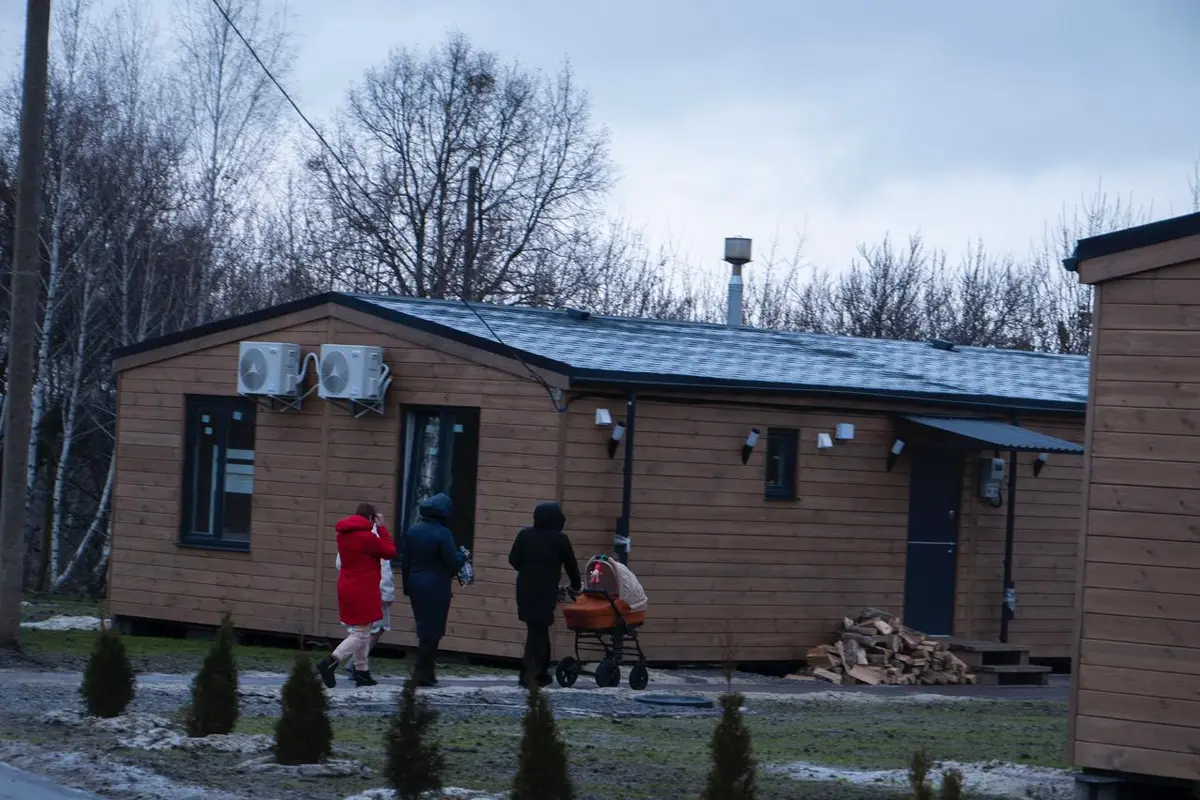
Case 1: social support for families in the Q-tochok modular settlement, Nyzhnia Syrovatka
In Nyzhnia Syrovatka, the team took part in the social side of moving families into modular housing: helping with initial adaptation, explaining everyday rules, gathering needs and communicating with the community. Support of this kind helps people understand local services, contacts and available assistance more quickly.
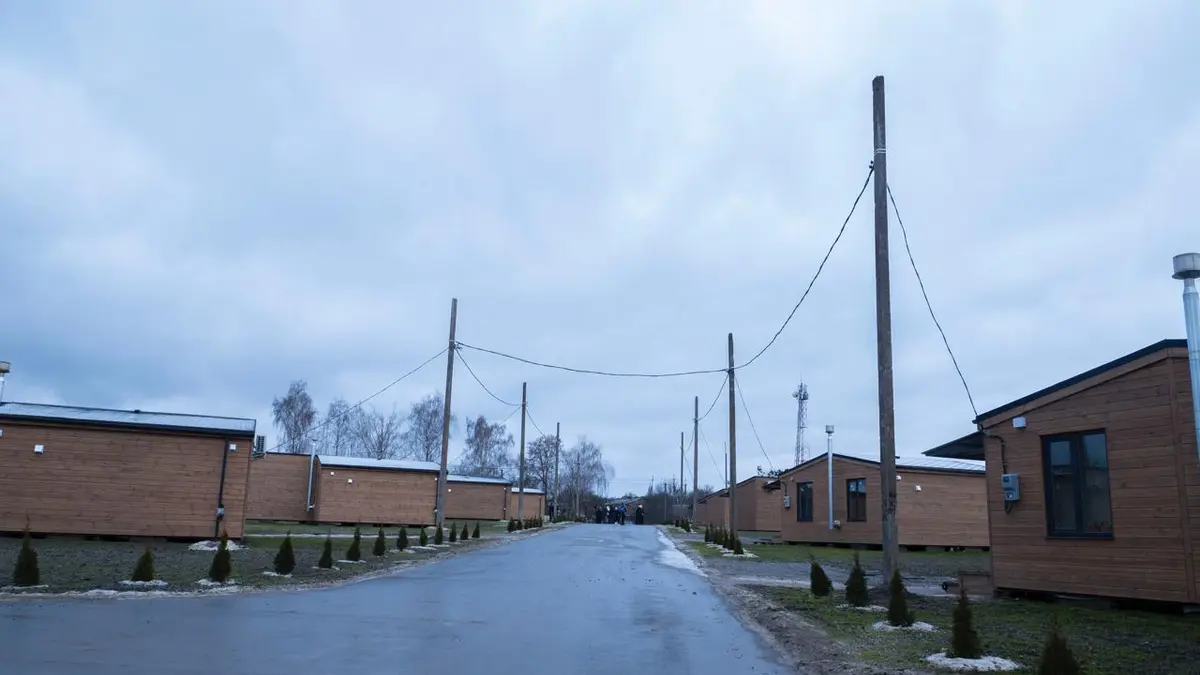
Case 2: social support for families in Q-tochok 2.0, Lypova Dolyna
In Lypova Dolyna, the work focused on supporting families after the move: getting to know the local infrastructure, identifying priority needs, explaining the services available and passing requests on to partners. We describe this experience as an example of why recovery needs not only infrastructure but also human support.
Partners and roles
Housing construction and production were provided by the company QHome; the programme was funded by an international humanitarian donor; our team was responsible for the social side — supporting and helping residents adapt.
What exactly the NGO does
- helps communities plan social support;
- helps families adapt after losing their homes;
- gathers needs and passes them on to partners;
- prepares clear materials;
- advises on energy efficiency and sustainable recovery.
Why this led to the creation of the NGO
Our experience showed that social support for reconstruction needs a systematic approach, not a one-off one. That is why in 2026 we registered as a civil society organisation — to continue such initiatives institutionally and extend them to communities affected by the war.