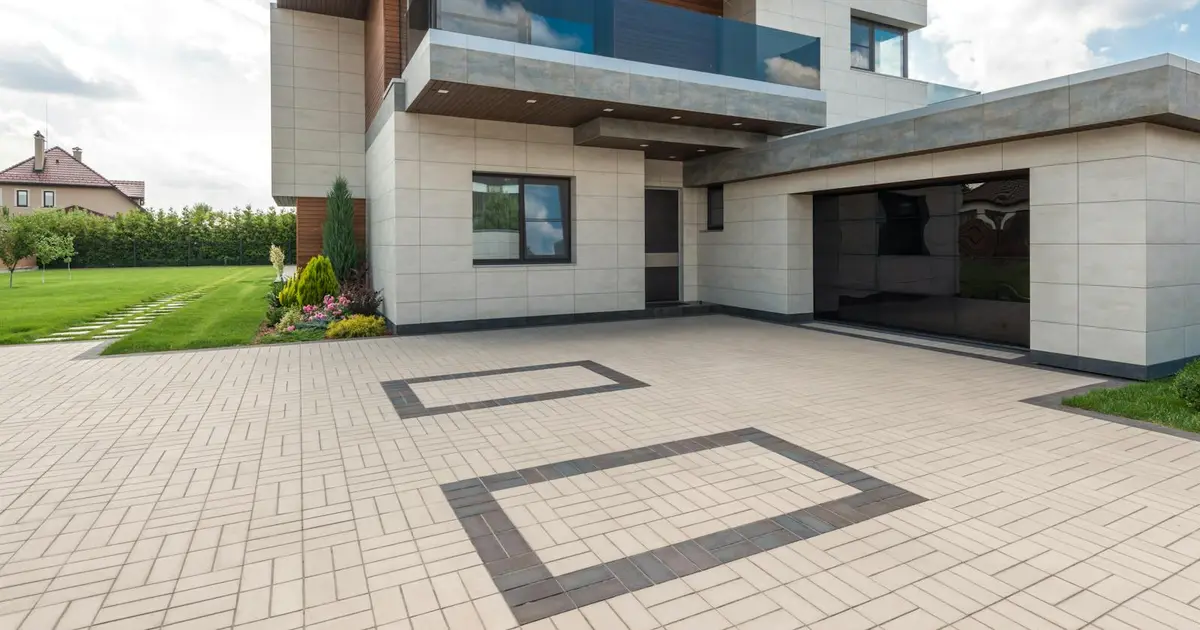
A turnkey modular house: from design to move-in in 30 days
Modular construction is not a temporary solution and not a compromise. It is a technology that makes it possible to get a full residential house in a short time — without losing quality, energy efficiency or comfort. Below we explain how it works, so that communities and families rebuilding their housing can find their way more easily.
What a turnkey modular house is
A modular house is a structure that is largely assembled in a factory under controlled conditions. Ready-made modules arrive at the building site with utilities, insulation, interior finishing and windows already installed. On site, all that remains is to join the blocks, connect the utilities and complete the finishing work. “Turnkey” means that residents receive a house ready to live in: with heating, water supply, electricity, a bathroom and a kitchen.
Stages: from the first step to moving in
1. Identifying needs and choosing a design
First, the needs are identified: floor area, number of rooms, purpose. A standard design is chosen or adapted to the specific situation of the family or community.
2. Design
Engineers prepare a working design that takes into account the climate zone, the type of soil and the residents' needs, and agree on the materials, layout and façade.
3. Factory production
The modules are assembled in workshop conditions — regardless of the weather. Every stage undergoes quality control: frame, insulation, waterproofing, electrics, plumbing.
4. Preparing the base
Modular houses usually do not need a massive foundation — a light base is enough, which saves time.
5. Delivery and installation
The modules are delivered to the site and installed by crane; the blocks are joined, the joints sealed and the utilities connected.
6. Finishing work and move-in
Exterior finishing of the joints and a check of the systems — and the house is ready to live in.
How much it costs
The cost of modular housing depends on the floor area, the specification and the delivery region, and is set by manufacturers. Our organisation does not sell or build houses and does not set prices — so current guideline prices should be checked directly with manufacturers of modular housing. This material is purely educational.
Who modular housing is suitable for
- Families rebuilding their own housing after losing it;
- Communities that need their housing stock restored quickly;
- Humanitarian and donor programmes — scalable solutions for temporary and permanent housing.
How this helps communities
The NGO Sustainable Development of Regions is not a manufacturer and does not sell housing. Our role is social: we support families who move into new modular housing after losing their home, helping them adapt and integrate into the community. We share knowledge about how modular construction works so that communities can make informed decisions during recovery.